Product Information
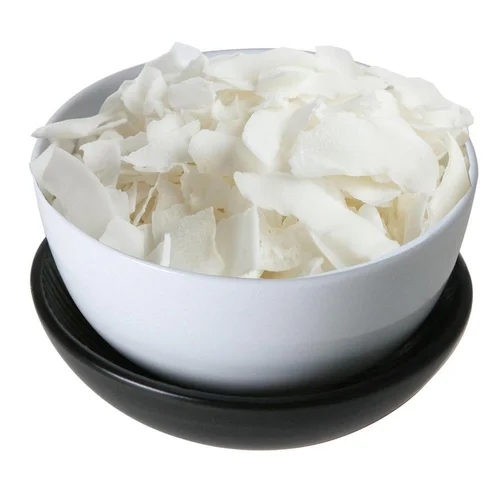
CosmySupplies supplies CMEA (Cocamide MEA, INCI: Cocamide MEA) in India, a coconut-derived non-ionic surfactant at 92%+ active content supplied as white to light yellow flakes. CAS: 68140-00-1. COA available on request. Suitable for shampoos, body washes, facial cleansers, and pearlescent cleansing products. Usage level 1% to 5%. Melting point 65 to 75 degrees C. pH as supplied 8.5 to 10.5 — pH adjustment required in finished formulation. 12-month shelf life. Shipped from Bengaluru across India. Available at cosmysupplies.com.
INCI Name: Cocamide MEA
CAS Number: 68140-00-1
COSING Functions: Emollient | Foam Boosting | Hair Conditioning | Skin Conditioning | Viscosity Controlling
Physical Form: White to light yellow flake solid at 25 degrees C
Active Matter: Minimum 92.0%
pH (as supplied): 8.5 to 10.5 — alkaline. Adjust formulation pH after addition.
Melting Point: 65.0 to 75.0 degrees C
Solubility: Hard to dissolve in water alone. Soluble when mixed with other surfactants in a surfactant solution. Suitable for pearlescent product formulations.
Used In: Shampoos | Body Washes and Shower Gels | Facial Cleansers | Pearlescent Products | Conditioner in Shampoo Systems | Hand Wash
Cocamide MEA (CMEA) is a coconut oil fatty acid monoethanolamide — a non-ionic surfactant produced by reacting coconut fatty acids with monoethanolamine (MEA). The resulting compound is an amide surfactant with a long fatty acid chain from coconut oil and a short MEA group that provides mild surfactant activity.
CMEA's primary function in cosmetic formulation is as a foam booster and viscosity builder for surfactant-based systems. When added to a shampoo or body wash at 1% to 5%, CMEA increases the volume and stability of the foam generated by primary anionic surfactants, and simultaneously thickens the formulation — often reducing or eliminating the need for salt as a viscosity builder. This dual function makes it an efficient formulation tool in cleansing product development.
CMEA is distinct from CDEA (Cocamide DEA — the diethanolamide version). CMEA uses monoethanolamine rather than diethanolamine, which gives it a different functional profile and avoids the nitrosamine formation concerns historically associated with DEA-based amides. CMEA has a well-established safety profile at cosmetic use levels per the CIR safety assessment.
At 25 degrees C, CMEA is a solid flake that is difficult to dissolve in water alone. It is incorporated into formulations by adding it to a surfactant system at elevated temperature (65 to 75 degrees C), where it melts and dissolves into the surfactant phase. It is not added to cold water formulations directly. This processing requirement must be communicated clearly to formulators buying this ingredient for the first time.
Benefits
• Foam boosting: CMEA is a Foam Boosting agent. At 1% to 5%, it increases foam volume and foam stability in surfactant-based cleansing systems, contributing to the perceived lather quality of shampoos and body washes.
• Viscosity building: Viscosity Controlling is a primary function. CMEA thickens surfactant systems at low usage levels, often reducing the amount of salt or synthetic thickener required to achieve target viscosity.
• Emollient function: The coconut fatty acid chain in CMEA contributes mild emollient properties to the cleansing system, leaving a slightly conditioning skin feel after rinse.
• Hair conditioning function: In shampoo formulations, CMEA contributes a mild conditioning effect on the hair surface, improving post-wash manageability.
• Skin conditioning function: In body wash and facial cleanser formulations, CMEA contributes a milder, more conditioning cleansing profile than anionic-only systems.
• Pearlescent effect in cleansing systems: CMEA is widely used in pearlescent shampoo and body wash formulations because its solid nature in cold formulations creates a pearl-like opaque appearance when properly incorporated. This is a widely documented formulation property.
• Hard water resistance: CMEA is noted in the supplier TDS for hard water resistance — it maintains performance in the presence of dissolved minerals in hard water.
• High active content: Active matter minimum 92.0%.
Applications
Shampoo: Use at 2% to 5% as a foam booster and viscosity builder alongside primary anionic surfactants such as SLES or SCI. Add at 65 to 75 degrees C in the heating phase of the surfactant system. CMEA dissolves into the surfactant phase and thickens as the system cools. Assess viscosity after 24 hours at room temperature.
Body Wash and Shower Gel: Use at 1% to 3% in a body wash surfactant base. CMEA thickens the system and contributes a mild emollient skin feel. Reduces the need for additional thickening salt. Add to the heated surfactant phase before cooling.
Facial Cleanser: Use at 1% to 2% in a mild facial cleanser system. At this level CMEA contributes foam stabilisation and mild skin conditioning without significantly increasing the harshness of the cleansing system. Ensure the finished formulation is pH-adjusted to 5.0 to 6.5 for facial applications.
Pearlescent Shampoo or Body Wash: CMEA is a standard opacifier in pearlescent cleansing products. Use at 1% to 3% to create a pearl effect. The degree of pearlesence depends on the concentration and the cooling rate of the formulation. Test in your specific surfactant system.
Conditioner in Shampoo: Use at 1% to 2% in a conditioning shampoo system alongside a cationic conditioning agent. CMEA's mild conditioning contribution supplements the primary cationic conditioner without compromising foam performance.
How to Use
Recommended Use Level: 1% to 2% (facial cleanser and mild body wash) | 2% to 5% (shampoo and standard body wash). All percentages are based on the as-supplied flake material at 92%+ active.
Phase Addition: Add CMEA to the primary surfactant phase at 65 to 75 degrees C. CMEA does not dissolve in cold water or water alone. It melts and dissolves when added to a warm surfactant solution at elevated temperature. Do not attempt to add CMEA to a cold water phase — it will not incorporate properly.
pH Advisory: CMEA as supplied has a pH of 8.5 to 10.5 — significantly alkaline. After full incorporation into your formulation, check and adjust the finished product pH to your target range. For shampoos the typical target is pH 5.0 to 6.5. For facial cleansers pH 5.0 to 6.0. For body washes pH 5.5 to 7.0. Do not rely on CMEA's alkalinity to set formulation pH.
Shelf life advisory: 12 months from manufacture. CMEA has the shortest shelf life of the surfactant ingredients in the CosmySupplies range. Stock rotation must be managed to ensure product is within shelf life.
Claims You Can Make
For your label and marketing:
Cocamide MEA | CMEA | Coconut-Derived Surfactant | Foam Booster | Viscosity Builder | Emollient | Hair Conditioning | Skin Conditioning
For your formulator brief:
CMEA (INCI: Cocamide MEA) — non-ionic foam booster and viscosity builder | 92%+ active flakes | Add to surfactant phase at 65 to 75 degrees C | pH 8.5 to 10.5 as supplied — adjust finished formulation pH | 1% to 5% usage level | Hard to dissolve in water alone | Suitable for pearlescent product formulations | 12-month shelf life
For formulation ratios, batch guidance, and troubleshooting support, contact the CosmySupplies team directly.
WhatsApp | Email: info@cosmysupplies.com
Technical Information
|
INCI Name |
Cocamide MEA |
|
Common Name |
CMEA | Cocamide MEA | Coconut Fatty Acid Monoethanolamide |
|
CAS Number |
68140-00-1 |
|
Grade |
Cosmetic Grade. |
|
Physical Form |
White to light yellow flake solid at 25 degrees C |
|
Charge |
Non-ionic |
|
Active Matter |
Minimum 92.0% |
|
Ester Content |
Maximum 5.0% |
|
Free Fatty Acid |
Maximum 1.0% |
|
Free Amine |
Maximum 10.0 mg KOH/g |
|
Water Content |
Maximum 0.5% |
|
pH (as supplied) |
8.5 to 10.5. Alkaline. Adjust finished formulation pH after addition. |
|
Melting Point |
65.0 to 75.0 degrees C |
|
Solubility |
Hard to dissolve in water alone. Dissolves in warm surfactant phase at 65 to 75 degrees C. Suitable for pearlescent product formulations. |
|
Usage Level |
1% to 5%. 1% to 2% for facial cleansers. 2% to 5% for shampoos and body washes. |
|
Phase Addition |
Surfactant phase or oil phase at 65 to 75 degrees C. Do not add to cold water. |
|
Shelf Life |
12 months from manufacture date. |
|
Storage |
Cool, dry place. Away from sunlight and moisture. |
|
|
|
|
Bulk Enquiries |
Pairs Well With
CAPB (Cocamidopropyl Betaine) as the primary amphoteric co-surfactant alongside CMEA at 2% to 4% creates a mild, foam-rich shampoo or body wash base. CAPB reduces irritation of primary anionic surfactants while CMEA boosts foam and builds viscosity. Standard combination in commercial shampoo systems.
SLES (Sodium Laureth Sulfate) as the primary anionic surfactant alongside CMEA at 2% to 4% is the most widely used three-surfactant shampoo system globally. SLES provides primary cleansing, CAPB reduces irritation, and CMEA boosts foam and viscosity.
Sodium Cocoyl Isethionate (SCI) as a mild primary surfactant alongside CMEA at 1% to 2% creates a gentle body wash or facial cleanser. SCI provides mild cleansing and CMEA adds foam stability and viscosity.
Cetearyl Alcohol at 0.5% to 1.5% in a shampoo system alongside CMEA at 2% to 3% creates additional viscosity and a mild conditioning feel. Cetearyl Alcohol contributes to the lamellar structure in the surfactant system. Available at cosmysupplies.com/cetearyl-alcohol.
Aloe Vera Fine Powder at 0.5% to 1% in the water phase of a cleansing formulation alongside CMEA creates a soothing, skin conditioning cleanser. CMEA provides foam and viscosity while Aloe Vera contributes humectant and soothing function.
Important Information
For formulation use in cosmetic products. CMEA does not dissolve in cold water or water alone. It must be incorporated into the warm surfactant phase at 65 to 75 degrees C. Do not attempt cold-process addition.
pH of finished formulation: CMEA as supplied is alkaline (pH 8.5 to 10.5). Always measure and adjust the pH of your finished formulation after CMEA addition. Shampoo target: pH 5.0 to 6.5. Facial cleanser target: pH 5.0 to 6.0. Body wash target: pH 5.5 to 7.0. Do not leave the formulation at the alkaline pH contributed by CMEA.
Shelf life: 12 months from manufacture date. This is a relatively short shelf life for a cosmetic ingredient. Ensure stock rotation is managed to use the material within 12 months of its manufacture date.
CMEA is non-ionic. It is compatible with anionic, cationic, and other non-ionic surfactants. Test compatibility with your specific surfactant system.
Disclaimer:
All products sold by CosmySupplies are supplied as raw materials for research, formulation, and manufacturing purposes. The information on this page is for formulation reference only and does not constitute professional, regulatory, or safety advice.
Raw materials of natural or botanical origin may show variation in colour, odour, texture, and physical properties between batches. These variations are inherent to the material and do not indicate a change in quality or function.
Customers are responsible for evaluating the suitability of any ingredient for their specific application and ensuring compliance with applicable regulations. CosmySupplies does not guarantee suitability for any specific end use without independent verification.
All transactions on CosmySupplies are B2B in nature. Contact us at support@cosmysupplies.com or WhatsApp before placing a bulk order. cosmysupplies.com.
Our latest content
Check out what's new in our company !