Product Information
CosmySupplies supplies cosmetic grade Decyl Glucoside (INCI: Decyl Glucoside) in India, the mildest nonionic glucoside surfactant derived from glucose and C10 decanol. Non-volatile matter is 49 to 51 percent as supplied, with a COA available on request. It suits baby shampoo, sensitive skin facial cleanser, sulphate free shampoo, and body wash. Small and bulk order sizes are available in stock, shipped from Bengaluru across India. Available at cosmysupplies.com.
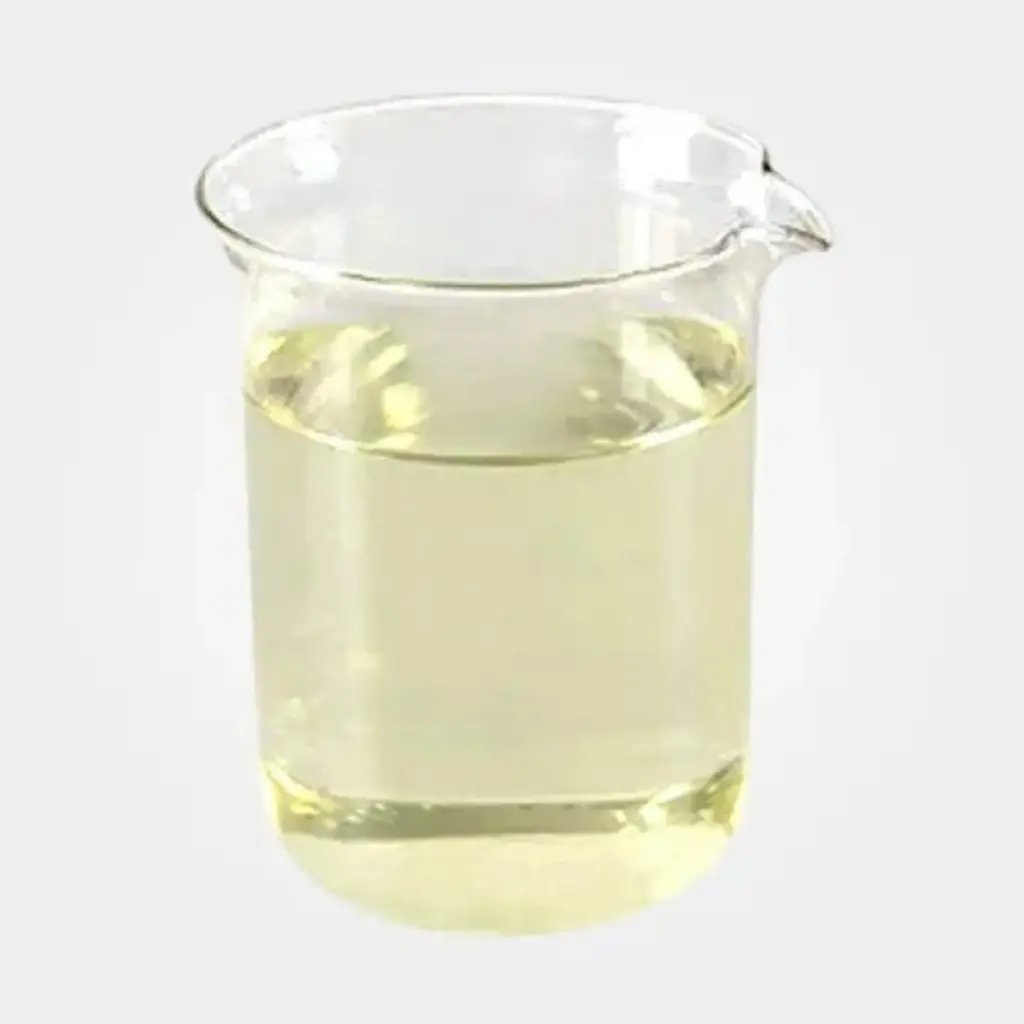
INCI: Decyl Glucoside | Origin: Vegetable derived (glucose and C10 decanol from coconut or palm) | Grade: Cosmetic | Form: Clear liquid
Functions: Cleansing | Surfactant | Foam Boosting | Skin Conditioning | Hair Conditioning | Emulsion Stabilising
Used In: Baby Shampoo | Baby Body Wash | Sensitive Skin Facial Cleanser | Sulphate Free Shampoo | Body Wash | Micellar Water | Makeup Remover | Wet Wipe Solution
Sulphate Free | Baby Safe | Mildest Glucoside | Plant Based | Fast Foam | Biodegradable | Nonionic
Benefits
• Recognised as the mildest surfactant in the alkyl glucoside class by ICP positioning, with non to slightly irritating ocular profile at use concentrations, making it the standard primary surfactant for baby shampoo and tear-free cleanser formulations.
• Builds foam faster than longer chain glucosides, delivering a quick, fine, stable lather that formulators and consumers associate with effective, responsive cleansing without a slow build time.
• Remains a clear, pourable liquid at room temperature, the most workable physical form across the glucoside range, with no warm-to-incorporate step required under normal ambient conditions.
• CIR Expert Panel assessed 19 alkyl glucosides including Decyl Glucoside as safe in the present practices of use and concentration when formulated to be non-irritating.
• Accepted by ECOCERT and COSMOS standards as part of the alkyl glucoside class, and is widely cited as one of the preferred surfactants for certified natural and organic formulations globally.
• Readily biodegradable, derived entirely from renewable glucose and C10 decanol from coconut or palm, supporting natural origin and eco-conscious product positioning.
• Non-ionic charge makes it compatible with anionic, amphoteric, cationic, and nonionic ingredients, giving formulators maximum flexibility in building a complete sulphate free system.
• Works as both a primary and secondary surfactant, at higher levels as the sole mild cleanser in a baby or sensitive formula, and at lower levels as a mildness contributor alongside SMCT, DSCA, or CAPB.
Applications
In a baby shampoo or baby body wash, Decyl Glucoside is the single most widely used primary sulphate free surfactant for a reason. Its mildness profile at use concentrations is non to slightly irritating in ocular testing, which is the performance floor for tear-free positioning. It cleans the scalp and body of an infant without disrupting the delicate skin barrier.
In a sensitive skin facial cleanser, it delivers rapid foam and effective cleansing at a use level that leaves the skin soft and unstripped. It works across all skin types including dry, reactive, and atopic skin, and it is used in amino acid facial cleanser formulations as the glucoside component alongside taurate or glutamate surfactants.
In a sulphate free shampoo, it provides the primary cleansing and foam base that the formula is built on. Paired with CAPB or DSCA, the foam becomes denser and more stable. Adding Lauryl Glucoside to the blend shifts the foam from fast and light to sustained and substantive without changing the mildness profile significantly.
In a body wash or shower gel, it contributes a clean, non-stripping lather that rinses fully without a slippery or filmy after-feel. Salt thickeners work well in DG-based systems to build the viscosity a body wash consumer expects.
In a micellar water or wet wipe solution, it is used at low levels as a gentle cleansing and wetting agent that removes light makeup and surface impurities without the need for a rinse step. Its low foam at these concentrations suits a leave-on or wipe-off format.
In a makeup remover, it dissolves light to moderate makeup and sebum while keeping the formula gentle enough for daily use and compatible with eye area contact at formulated concentrations.
How to Use
For Baby Shampoo, Sensitive Skin Cleanser, and Facial Wash
Add to the water phase at room temperature. Decyl Glucoside is a clear pourable liquid and requires no warming under normal ambient conditions. As the primary mild surfactant, the level depends on how much cleansing load the formula needs to carry and which co-surfactant is supporting it. Lower levels with a mild amphoteric give a gentle rinse-off cleanser; higher levels as the sole surfactant give a simple, clean two-ingredient base.
For Sulphate Free Shampoo and Body Wash
Use as the primary glucoside surfactant and blend with CAPB, DSCA, or a betaine for foam stability and mildness reinforcement. Thicken with sodium chloride or a polymer thickener. The ratio between Decyl Glucoside and the co-surfactant sets the mildness, foam speed, and skin feel profile of the finished formula.
For Micellar Water and Wet Wipe Solution
At 1 to 5 percent it functions as a gentle cleansing and wetting agent. At these low levels foam is minimal, which suits a format designed to be wiped or rinsed lightly rather than lathered. Confirm preservative compatibility at leave-on use levels.
pH adjustment note
As supplied, the liquid has an alkaline pH. The finished formula must be adjusted to the target skin pH using citric acid. This applies regardless of the lower direct-measurement pH shown on the TDS. Handle with eye protection at working concentrate.
Claims You Can Make
For your label and marketing:
Sulphate Free | Plant Based | Mild | Baby Safe | Gentle Cleansing | Biodegradable | Nonionic | Coconut Derived | Fast Foam
For your formulator brief:
Cleansing Agent | Foam Boosting Surfactant | Skin and Hair Conditioning Agent | Non-ionic | CIR safety assessed, safe when formulated to be non-irritating | Non to slightly irritating at 0.6 to 3.0% ai in ocular testing | Readily biodegradable | Compatible with all surfactant charge types | Alkyl glucoside class accepted by ECOCERT and COSMOS
For formulation ratios, batch guidance, and troubleshooting, contact CosmySupplies directly.
WhatsApp | Email: info@cosmysupplies.com
Technical Information
|
Property |
Value |
|
INCI Name |
Decyl Glucoside |
|
Physical Form |
Clear liquid |
|
Colour |
Colorless to very light yellow |
|
Molecular Formula |
C16H32O6 |
|
Molecular Weight |
320.22 g/mol |
|
Origin / Nature |
Vegetable derived |
|
Bio Based |
Yes |
|
CAS Number |
68515-73-1 |
|
EINECS |
500-220-1 |
|
NVM (Non-volatile matter) |
49.0 to 51.0% |
|
pH (direct measurement) |
7.0 to 9.0 |
|
Solubility |
Water soluble. Cold process compatible. Clear pourable liquid at room temperature. |
|
Recommended Usage Rate |
Baby and sensitive skin cleanser: 5 to 20%. Sulphate free shampoo and body wash: 5 to 20% primary, 1 to 5% secondary. Facial cleanser: 3 to 10%. Micellar and wipe solution: 1 to 5%. Confirm per formula. |
|
Charge |
Non-ionic |
|
Compatibility |
Anionic, amphoteric, nonionic, and cationic surfactants and actives |
|
Shelf Life |
24 months from manufacture date |
|
Storage |
Store at room temperature, sealed, away from light |
|
|
|
|
Bulk Enquiries |
Pairs Well With
Cocamidopropyl Betaine (CAPB) is the classic co-surfactant pairing that transforms a Decyl Glucoside base into a formula with foam density and stability. CAPB rounds out the quick, light DG foam into something richer and more sustained. The ratio between the two sets the overall foam character of the finished cleanser.
DSCA Disodium Cocoamphodiacetate is the preferred mild amphoteric pairing for baby and tear-free systems where eye compatibility is the primary formulation constraint. DSCA adds mildness without the conditioning character of CAPB, keeping the formula clean and gentle.
Lauryl Glucoside blends with Decyl Glucoside to build a more persistent, viscous foam. DG contributes rapid foam build; Lauryl Glucoside contributes density and staying power. The combination gives a sulphate free shampoo a premium feel that DG alone cannot deliver.
Caprylyl/Capryl Glucoside (CCG) adds solubilising function to a DG base, allowing essential oils and fragrance to be incorporated without a separate polysorbate. At low levels it does not significantly change the mildness profile while simplifying the INCI declaration.
Citric Acid Monohydrate is required in every formula. Adjust the finished pH to target skin range before adding heat-sensitive actives or fragrance. The dose depends on your water, your full surfactant blend, and your target pH.
Euxyl PE 9010 provides broad spectrum preservation compatible with nonionic glucoside systems. Required in all water based formulas containing Decyl Glucoside.
Sodium Chloride is the cost-effective viscosity builder in DG-based systems. Salt thickening works well in nonionic glucoside bases and avoids the need for a polymer thickener in many straightforward body wash and shampoo formulas.
Disclaimer:
All products sold by CosmySupplies are supplied as raw materials for research, formulation, and manufacturing purposes. The information on this page is for formulation reference only and does not constitute professional, regulatory, or safety advice.
Raw materials of natural or botanical origin may show variation in colour, odour, texture, and physical properties between batches. These variations are inherent to the material and do not indicate a change in quality or function.
Customers are responsible for evaluating the suitability of any ingredient for their specific application and ensuring compliance with applicable regulations. CosmySupplies does not guarantee suitability for any specific end use without independent verification.
All transactions on CosmySupplies are B2B in nature. Contact us at support@cosmysupplies.com or WhatsApp before placing a bulk order. cosmysupplies.com.
Our latest content
Check out what's new in our company !