Product Information
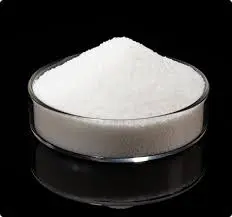
CosmySupplies supplies Glyceryl Stearate SE Cosmetic Grade (INCI: Glyceryl Stearate SE, CAS: 11099-07-3) in India, available in small and bulk quantities. A self-emulsifying granule emulsifier for oil-in-water cream and lotion formulations. Functions as emulsifier, emollient, thickener, and viscosity controller. COA available on request. Shipped from Bengaluru across India.
INCI: Glyceryl Stearate SE | CAS: 11099-07-3 | EINECS: 234-325-6 | Origin: Vegetable (stearic acid and glycerol, plant-derived) | Grade: Cosmetic
Functions: Emulsifying Agent | Emollient | Skin Conditioning Agent | Viscosity Controlling Agent | Thickener
Used In: Face Creams | Body Lotions | Night Creams | Hair Conditioners | Hair Masks | Sunscreen Formulations | Foundation | BB Cream | Body Butter | Anti-Ageing Cream
Self-Emulsifying | Vegetable Derived | Plant Based | Co-Emulsifier | Thickener
Benefits
• Functions as a self-emulsifying agent, meaning it carries a small proportion of sodium stearate within its structure that allows it to begin the emulsification process without requiring a separate high-HLB primary emulsifier, simplifying two-phase cream construction for formulators working with simpler ingredient lists.
• Acts as an emollient by forming a thin occlusive film on the skin surface after the water phase evaporates from the finished cream, reducing transepidermal water loss and leaving skin feeling smooth and conditioned.
• Functions as a viscosity controlling agent and thickener in the oil phase of emulsions, contributing body and structure to the finished formulation without requiring additional waxes or thickening polymers in low-to-medium oil phase formulas.
• Provides a smooth, non-greasy skin feel in finished creams and lotions because the stearic acid component in its structure is a saturated fatty acid that spreads evenly on skin without the tackiness associated with unsaturated oils.
• Works synergistically with cetearyl alcohol and other fatty alcohols to build a lamellar gel network structure in the water phase of oil-in-water emulsions, which is the most widely used emulsion architecture in commercial cream manufacturing globally.
• CIR Expert Panel reviewed and confirmed Glyceryl Stearate and Glyceryl Stearate SE as safe in the present practices of use and concentration in its 1982 original assessment, 2015 re-evaluation, and maintained safe status through the 2025 re-review process.
• Melting point of 55 to 59 degrees Celsius allows clean incorporation into the oil phase during standard cream manufacturing at 70 to 80 degrees Celsius, ensuring complete melting before water phase addition without requiring elevated processing temperatures.
• Plant-derived from the esterification of glycerol and stearic acid, both of which are available from vegetable sources, making it compatible with vegan and plant-based formulation positioning when sourced from vegetable-origin raw materials.
Applications
Face Cream and Body Lotion: GMS SE is one of the most established co-emulsifiers in face cream and body lotion formulations globally. At 2 to 5% in the oil phase, it contributes emulsification, thickening, and skin feel simultaneously. In a standard O/W emulsion, GMS SE is paired with a primary high-HLB emulsifier such as Cetearyl Alcohol and Ceteareth-20, or Emulsifying Wax NF.
Hair Conditioner and Hair Mask: In hair conditioner formulations, GMS SE functions as a viscosity controller and emollient, contributing slip and a smooth rinse-off feel. In leave-on hair masks and treatment creams, it contributes body and cream texture. Use at 1 to 3% in the oil phase of conditioning emulsions, adjusting upward for thicker mask textures.
Night Cream and Anti-Ageing Cream: In richer night cream formats, GMS SE at 3 to 5% contributes a denser, more occlusive texture than lighter lotion emulsions, supporting the emollient and barrier function positioning typical of night care products. The higher oil phase loading of night creams requires a larger proportion of the combined emulsifier system, and GMS SE contributes to that without adding a greasy skin feel.
Sunscreen Formulation: In sunscreen emulsions, GMS SE supports uniform dispersion of UV filter actives in the oil phase and contributes to formulation stability at elevated temperatures, which is a specific challenge in sunscreen stability testing. Its compatibility with both mineral and chemical UV filters makes it a practical choice in this application category.
Foundation and Colour Cosmetics: In foundation and BB cream formulations, GMS SE helps disperse pigments evenly in the oil phase and contributes to long-wearing adherence of the colour cosmetic film on skin. Its thickening and viscosity-controlling function also affects the consistency and spreadability of the finished makeup product.
How to Use
Addition Method: Add GMS SE to the oil phase of your emulsion. It is a granule with a melting point of 55 to 59 degrees Celsius. Heat the oil phase to 70 to 75 degrees Celsius to ensure complete melting before combining with the water phase. Do not add to the formula below its melting point as unmelted granules will not emulsify properly.
For Face Creams and Body Lotions: Use GMS SE at 1.0 to 5.0% of total formula weight. In a standard O/W emulsion, GMS SE functions most effectively when paired with a primary high-HLB emulsifier. The ratio of GMS SE to primary emulsifier, and the combined emulsifier load relative to the oil phase weight, determines emulsion stability. Challenge test every new combination.
For Hair Conditioners: Use at 1.0 to 3.0% in the oil phase of rinse-off conditioning emulsions. In leave-on treatments and masks, usage can go up to 5.0% depending on desired consistency. GMS SE works well in conditioning formulas alongside cetyl alcohol or stearyl alcohol to build a smooth, slip-enhancing conditioning film.
Important Formulation Note: GMS SE is a co-emulsifier. While the self-emulsifying sodium stearate component allows it to initiate emulsification independently in water, stable long-term emulsions typically require a primary emulsifier system. For robust stability, do not rely on GMS SE as the sole emulsifier in formulations with oil phase loadings above 15%. Always complete a stability test over a minimum of 8 weeks at ambient, elevated temperature (40 degrees Celsius), and freeze-thaw cycling before finalising any emulsion formula.
Claims You Can Make
For your label and marketing:
Plant Derived | Vegetable Origin | Vegan | Self-Emulsifying | Paraben Free | Silicone Free
For your formulator brief:
Emulsifying Agent | Emollient | Skin Conditioning Agent | Viscosity Controlling Agent | CIR assessed safe as used in present practices of use and concentration
For formulation support or sample requests, contact the CosmySupplies team.
WhatsApp | Email: info@cosmysupplies.com
Technical Information
|
INCI Name |
Glyceryl Stearate SE |
|
Common Trade Name |
GMS SE |
|
CAS Number |
11099-07-3 |
|
EINECS |
234-325-6 |
|
COSING REF |
76256 |
|
Molecular Formula |
C18H36O2.xC3H8O3 |
|
Molecular Weight |
358.56 |
|
Physical Form |
Granules |
|
Colour |
White to yellowish (natural variation between batches is normal) |
|
Odour |
Characteristic, faint waxy |
|
Origin / Nature |
Vegetable (esterification of glycerol and stearic acid, plant-derived) |
|
Bio Based |
Yes |
|
HLB Value |
Approximately 5 to 8 |
|
Melting Point |
55 to 59 degrees Celsius |
|
Saponification Value |
155 to 165 mgKOH/g |
|
Acid Value |
5 mgKOH/g maximum |
|
Iodine Value |
2.0 gl/100g maximum |
|
A-Monoglyceride Content |
30 to 100% |
|
Free Glycerol |
7% maximum |
|
Water Content |
1.5% maximum |
|
Recommended Usage Rate |
Creams and Lotions: 1.0 to 5.0% | Hair Care: 1.0 to 3.0% | Colour Cosmetics: 1.0 to 5.0% |
|
Phase of Addition |
Oil phase. Add at 70 to 75 degrees Celsius to ensure complete melting. |
|
Shelf Life |
24 months |
|
Storage |
Store at room temperature in tightly sealed, lightproof packaging. |
|
|
|
|
Bulk Enquiries |
Pairs Well With
Cetearyl Alcohol is the most common pairing with GMS SE in commercial cream manufacturing. Cetearyl Alcohol functions as both a co-emulsifier and a thickener, contributing a smooth, stable lamellar gel network structure alongside GMS SE. Akshatha's training material specifically references cetyl alcohol and GMS together in cream base construction. At 2 to 5% cetearyl alcohol and 1 to 3% GMS SE in the oil phase, this combination forms the foundation of the majority of commercial face cream formulations globally.
Ceteareth-20 is the high-HLB primary emulsifier most commonly paired with GMS SE to build a complete emulsification system for O/W emulsions. GMS SE at low HLB (5 to 8) and Ceteareth-20 at high HLB (approximately 15) together create a balanced emulsifier system that achieves long-term emulsion stability. The ratio between the two must be tuned to the specific oil phase loading of your formula.
Stearic Acid paired with GMS SE contributes additional thickening and a pearlescent opacity to cream formulations, giving finished products the rich, white appearance associated with premium cream textures. Akshatha's training material references stearic acid alongside cetyl alcohol and GMS in the emulsion phase, confirming this as a standard combination in the CSW formulation framework.
Glycerin in the water phase of emulsions containing GMS SE functions as a humectant that draws moisture to the skin surface, complementing the occlusive film that GMS SE forms on the skin. The combination of GMS SE occlusion and glycerin humectancy is the most common moisturisation mechanism in commercial body lotions and is the starting point for most Indian indie brand cream formulations.
Dimethicone paired with GMS SE in cream formulations adds a silky skin feel and improves spreadability without increasing the greasiness of the finished product. GMS SE contributes the emulsion structure and emolliency; Dimethicone contributes the sensory modification. The proportion of Dimethicone needed to achieve a perceptible skin feel improvement without making the formula feel silicone-heavy depends on the overall oil phase composition.
Carbomer in the water phase of GMS SE-based emulsions contributes additional viscosity and stability to the aqueous phase, producing a thicker, more gel-like texture in light lotions. Carbomer and GMS SE together are a standard architecture for light O/W moisturisers where GMS SE handles oil phase emulsification and Carbomer handles water phase body.
Important Information
Note for this ingredient: GMS SE contains a small proportion of sodium stearate as the self-emulsifying component. Sodium stearate is a soap and may increase the pH of aqueous dispersions. If your formulation is pH-sensitive, check the pH of the finished emulsion and adjust as needed. GMS SE is not recommended as the sole emulsifier in formulations with oil phase loadings above approximately 15%. For external use in finished formulations only. Not for direct skin application in undiluted form.
Disclaimer:
All products sold by CosmySupplies are supplied as raw materials for research, formulation, and manufacturing purposes. The information on this page is for formulation reference only and does not constitute professional, regulatory, or safety advice.
Raw materials of natural or botanical origin may show variation in colour, odour, texture, and physical properties between batches. These variations are inherent to the material and do not indicate a change in quality or function.
Customers are responsible for evaluating the suitability of any ingredient for their specific application and ensuring compliance with applicable regulations. CosmySupplies does not guarantee suitability for any specific end use without independent verification.
All transactions on CosmySupplies are B2B in nature. Contact us at support@cosmysupplies.com or WhatsApp before placing a bulk order. cosmysupplies.com.
Our latest content
Check out what's new in our company !