Product Information
CosmySupplies supplies cosmetic-grade Disodium Cocoyl Glutamate (INCI: Disodium Cocoyl Glutamate, CAS 68187-30-4) in India, a mild anionic amino acid surfactant derived from coconut fatty acids and L-glutamic acid. Available as a liquid with active substance 28 to 30% and pH 8.5 to 10.5 in 10% aqueous solution. COA available on request. Suitable for amino acid facial cleansers, sulfate-free shampoos, baby care, body wash, and sensitive skin formulations. Shipped from Bengaluru across India. Available at cosmysupplies.com.
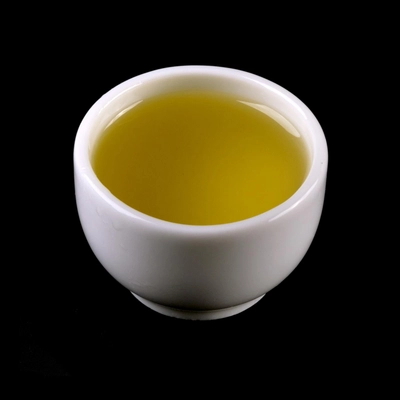
INCI: Disodium Cocoyl Glutamate | Origin: Vegetable derived (coconut fatty acids and L-glutamic acid from fermented glucose) | Grade: Cosmetic | Form: Pale yellow to colourless transparent liquid
Functions: Cleansing | Surfactant | Foaming Agent | Skin Conditioning | pH Buffering | Hard Water Softening
Used In: Amino Acid Facial Cleanser | Sulfate-Free Shampoo | Baby Care | Body Wash | Sensitive Skin Cleanser | Feminine Hygiene Wash | Cleansing Powder | Shaving Foam | Toothpaste Base
Sulfate-Free | Amino Acid Surfactant | Mild | Plant Based | Biodegradable | Anionic | Natural Origin | pH Buffering | Ecocert Authorised Class
Benefits
• The only amino acid surfactant in the CosmySupplies range. Disodium Cocoyl Glutamate is derived from coconut fatty acids and L-glutamic acid, an amino acid naturally present in the skin's Natural Moisturising Factor (NMF). This amino acid chemistry positions it above glucoside surfactants and acyl isethionates in the hierarchy of premium mild cleansing systems favoured by clinical and sensitive skin brand founders.
• Produces a buffering effect that supports the skin's natural pH (approximately 5.5) during and after cleansing. Unlike anionic sulfates and some glucosides which can disrupt the acid mantle, the glutamate chemistry helps moderate pH drift in the finished formula, which is a meaningful functional benefit for brands positioning products as pH-balanced, barrier-supportive, or dermatologically tested.
• Mild and non-irritating in finished formulations at recommended use levels. The CIR Expert Panel reviewed amino acid alkyl amides including cocoyl glutamate derivatives in its 2017 safety assessment and concluded the group is safe in present practices of use and concentration when formulated appropriately. Non-mutagenic confirmed.
• Produces stable, creamy, fine-bubbled foam that performs particularly well in the mild acid pH range (5.0 to 6.5), making it the amino acid surfactant of choice for pH-balanced facial cleansers where lather is expected to build and persist at skin-compatible pH.
• Authorised for use in organic and natural cosmetic formulations. Ajinomoto Amisoft CS-22, the reference trade grade for this INCI, carries COSMOS and ECOCERT certification. Brands building certified natural or organic finished products can use Disodium Cocoyl Glutamate as a qualifying ingredient, provided their certifier reviews the full formula and their batch documentation confirms certification from their specific vendor.
• Readily biodegradable, derived from renewable coconut fatty acids and glutamic acid produced by fermentation of glucose from corn or fruit sugars. Supports natural origin, eco-conscious, and clean beauty product positioning at the ingredient level.
• Hypo-allergenic and non-comedogenic at the reference Ajinomoto trade grade. For brands building dermatological claim positions or formulating for acne-prone, sensitive, or post-procedure skin, Disodium Cocoyl Glutamate supports those claims at the ingredient level, subject to finished product testing and your specific batch documentation.
• Effective in hard water conditions. Research cited across multiple formulation sources confirms Disodium Cocoyl Glutamate retains cleansing and lather performance in hard water by a mild water-softening function, a meaningful advantage for Indian formulations where hard water is the consumer reality across most urban markets.
Applications
In an Amino Acid Facial Cleanser
Use at 1 to 5% as the primary cleansing surfactant in a gel or foam facial cleanser. At this level, Disodium Cocoyl Glutamate delivers effective removal of sebum, particulate, and light makeup without disrupting the acid mantle. The finished formula must be adjusted to pH 5.0 to 6.5 with citric acid for optimal mildness and skin compatibility. Pair with Cocamidopropyl Betaine at 2 to 5% for foam stability and a smoother rinse. This combination at adjusted pH is the standard amino acid facial wash system used in premium Indian and Korean-influenced indie brand cleansers.
In a Sulfate-Free Shampoo
Use at 2 to 6% in a mild shampoo base alongside a primary surfactant such as Sodium Cocoyl Isethionate or Coco Glucoside. Disodium Cocoyl Glutamate contributes mildness, lather creaminess, and lower stripping of colour-treated or chemically processed hair. Its amino acid chemistry protects the hair protein structure during cleansing. Target finished formula pH 5.5 to 6.5. Add Panthenol at 0.5 to 1% for conditioning add-back.
In Baby Care and Sensitive Skin Cleansers
At 1 to 3% blended with Decyl Glucoside and Cocamidopropyl Betaine, Disodium Cocoyl Glutamate forms a complete mild amino acid surfactant system appropriate for baby shampoo, baby body wash, and sensitive skin body wash formulations. The combination delivers non-irritating cleansing at pH 6.0 to 7.0, which is appropriate for frequent daily use on compromised or immature skin barriers.
In a Body Wash or Shower Gel
Use at 2 to 10% as a co-surfactant in a body wash base. At these levels it functions as a mildness modifier alongside a primary liquid anionic or glucoside surfactant, softening the feel of the lather and reducing post-wash tightness. Pairs particularly well with Coco Glucoside and Potassium Cocoate in an all-natural surfactant system.
In a Cleansing Powder or Anhydrous Cleanser
The powder grade (95% minimum solids) is used at 2.5 to 5% in anhydrous cleansing powder formulations, bath salts, and solid cleansers. It activates on contact with water and produces foam at the point of use. Blend with fine salt, clay, or starch-based carriers. Seal and store dry to prevent agglomeration.
In Feminine Hygiene Wash and Intimate Care
At 1 to 3%, Disodium Cocoyl Glutamate is used in intimate wash formulations where a mild, non-irritating surfactant at a pH close to physiological range is required. The glutamate buffering character and low irritation profile make it suitable for this application, formulated at pH 4.5 to 5.5 with lactic acid adjustment.
How to Use
For liquid grade
Add to the water phase at room temperature. Liquid Disodium Cocoyl Glutamate is water-miscible and disperses directly without heating. Incorporate after your primary surfactant blend is homogenised. It performs best as a co-surfactant at 1 to 6% of the total formula. As a sole primary surfactant, use at 8 to 15% for adequate cleansing performance.
For powder grade
Dissolve in warm water (40 to 50 degrees Celsius) with continuous mixing before adding to the water phase. Alternatively, blend directly into anhydrous powder formats at 2.5 to 5% without pre-dissolution. Do not add to hot oil phase. Wear a dust mask when handling powder in open environments.
pH adjustment
As supplied, Disodium Cocoyl Glutamate has a pH of 8.5 to 10.5 in 10% aqueous solution. The finished formula must be adjusted to the target skin pH using citric acid or lactic acid. Target ranges: facial cleanser 5.0 to 6.5, shampoo 5.5 to 6.5, baby wash 6.0 to 7.0, body wash 5.5 to 7.0, intimate care 4.5 to 5.5. Amino acid surfactants perform best in the mildly acidic pH range. Add pH adjuster incrementally and check after each addition. Recheck pH after 24 hours, as amino acid surfactant systems can drift.
Combining with co-surfactants
Pair with Cocamidopropyl Betaine at 2 to 5% for foam stability and rinse feel. Add Coco Glucoside or Caprylyl/Capryl Glucoside at 3 to 8% for a complete amino acid plus glucoside mild system. In baby and sensitive skin formulations, Decyl Glucoside at 3 to 5% provides complementary mildness. This three-way combination of DCG, Decyl Glucoside, and CAPB is the reference mild surfactant system for premium Indian sensitive skin cleansers.
Preservation
Disodium Cocoyl Glutamate as supplied does not contain a preservative unless stated on your vendor COA. Any finished aqueous formulation requires a broad-spectrum preservative system. Conduct preservative efficacy testing on the finished formula before launch.
Storage
Store in sealed containers at room temperature, dry and well-ventilated. Keep away from direct sunlight. For liquid grade, avoid freezing.
Claims You Can Make
For your label and marketing:
Sulfate-Free | Amino Acid Surfactant | Plant Based | Mild | Gentle Cleansing | Biodegradable | Anionic | Coconut and Glutamic Acid Derived | Natural Origin | pH Supportive
For your formulator brief:
Cleansing Agent | Surfactant | Anionic amino acid surfactant | CIR safety assessed — amino acid alkyl amides including cocoyl glutamate derivatives safe in practices of use and concentration | Non-mutagenic | Biodegradable | Compatible with anionic, amphoteric, and nonionic co-surfactant systems | Hard water stable | Authorised for use in Ecocert and COSMOS certified natural formulations | Hypo-allergenic and non-comedogenic
Technical Information
|
Property |
Value |
|
INCI Name |
Disodium Cocoyl Glutamate |
|
Physical Form |
Pale yellow to colourless transparent liquid (liquid grade) OR white crystalline powder (powder grade) |
|
Colour |
Pale yellow to colourless (liquid) or white (powder). Natural colour may vary batch to batch for plant-derived ingredients. |
|
Odour |
No characteristic odour (liquid grade reference). |
|
Origin / Nature |
Vegetable derived — coconut fatty acids (from coconut or palm kernel oil) combined with L-glutamic acid produced by fermentation of glucose from corn or fruit sugars. |
|
Bio Based |
Yes |
|
CAS Number |
68187-30-4 |
|
CHEM/IUPAC Name |
L-Glutamic acid, N-coco acyl derivs., disodium salts |
|
EINECS Number |
269-085-1 |
|
COSING REF |
75827 |
|
Active Substance (liquid grade) |
28.0 to 30.0% |
|
Solids (powder grade) |
95.0% minimum |
|
pH (liquid grade, 10% aqueous) |
8.5 to 10.5 as supplied. Finished formula must be adjusted to target skin pH using citric acid or lactic acid. |
|
pH (powder grade, 5% solution) |
7.5 to 9.5 as supplied |
|
Sodium Chloride |
1.0% maximum (liquid grade reference) |
|
Transmittance |
90% minimum (liquid grade reference) |
|
Heavy Metals (reference) |
Lead 10 ppm max, Arsenic 2 ppm max. |
|
Recommended Usage Rate |
Primary surfactant: 8 to 15% (liquid). Co-surfactant in facial cleanser: 1 to 5%. Co-surfactant in shampoo: 2 to 6%. Baby care: 1 to 3%. Powder grade: 2.5 to 5% in anhydrous systems. |
|
Charge |
Anionic |
|
Solubility |
Water-miscible (liquid). Dissolve in warm water 40 to 50 degrees Celsius (powder). |
|
Compatibility |
Compatible with anionic, amphoteric, and nonionic surfactants. Use with caution with cationic ingredients. |
|
Foam Character |
Stable, creamy, fine-bubbled foam. Performs best in mild acid pH range (5.0 to 6.5). |
|
Certifications |
ECOCERT and COSMOS authorised ingredient class. Ajinomoto Amisoft CS-22 grade carries COSMOS and ECOCERT certification. |
|
Biodegradability |
Readily biodegradable |
|
Shelf Life |
24 months from manufacture date. |
|
Storage |
Store in sealed containers at room temperature, dry and well-ventilated. Avoid direct sunlight and freezing (liquid grade). |
|
Grade |
Cosmetic Grade |
For formulation ratios, batch guidance, and troubleshooting, contact the CosmySupplies team directly.
WhatsApp | Email: info@cosmysupplies.com
Pairs Well With
The standard amphoteric co-surfactant for amino acid surfactant systems. CAPB improves foam density and stability, rounds out the lather profile, and softens the after-feel of a DCG-based facial cleanser or shampoo. Use at 2 to 5%. The DCG and CAPB combination at pH 5.5 to 6.0 is the reference mild surfactant pair for Indian indie brand amino acid facial washes.
Mild nonionic glucoside that deepens the mildness profile of a DCG system. The combination of amino acid surfactant (DCG) and sugar surfactant (Decyl Glucoside) at 1 to 3% and 3 to 5% respectively is the standard system for baby care and ultra-sensitive skin formulations. Both are CIR-reviewed safe, both carry Ecocert class acceptance, and the pairing stays all-plant-derived.
Caprylyl/Capryl Glucoside (CCG)
Short-chain glucoside that adds solubilising function, flash foam, and cold-process compatibility to a DCG base. Useful in facial cleansers where essential oil or fragrance solubilisation is needed alongside amino acid cleansing. Use at 3 to 8% alongside DCG.
Broader chain glucoside for body wash and shampoo systems using DCG as the amino acid component. Together they form a complete natural-origin, sulfate-free cleansing system without any synthetic surfactant chemistry.
Panthenol (Vitamin B5)
Conditioning active for DCG-based shampoos and body washes. At 0.5 to 2%, it improves after-wash hair and skin feel and provides measurable softness and moisture retention benefits. A standard conditioning addition to amino acid shampoo bases.
Mandatory pH adjustment for any formulation containing DCG. As supplied, the ingredient is alkaline (pH 8.5 to 10.5 in 10% solution). Adjust the finished formula to target skin pH incrementally. For facial cleansers, target 5.0 to 6.5. Recheck pH after 24 hours as amino acid systems can drift on standing.
Hydrolysed Wheat Protein
Film-forming conditioning protein for DCG-based shampoos and cleansers.
At 1 to 3%, it adds slip, shine, and protein conditioning to an amino acid
shampoo base. Compatible with the amino acid chemistry of DCG and supports a
protein-enriched, amino acid cleansing positioning
Important Information
Disodium Cocoyl Glutamate is supplied as a concentrated liquid with a pH of 8.5 to 10.5 in 10% aqueous solution. This is the natural alkaline character of an amino acid surfactant in concentrated form. Do not apply undiluted to skin. The finished formula must be adjusted to the target skin pH using citric acid or lactic acid before use on skin or hair.
In finished formulations at recommended use levels and adjusted to the appropriate pH, Disodium Cocoyl Glutamate and closely related amino acid alkyl amide surfactants are assessed as safe by the CIR Expert Panel (Burnett et al, 2017). The concentrate at working concentration should be handled with standard eye protection.
Disodium Cocoyl Glutamate as supplied does not contain a preservative unless stated on your vendor COA. Any finished aqueous formulation requires a validated broad-spectrum preservative system. Conduct preservative efficacy testing on the finished product before sale.
COA is available on request. No download link. Contact us via WhatsApp or email.
Disclaimer:
All products sold by CosmySupplies are supplied as raw materials for research, formulation, and manufacturing purposes. The information on this page is for formulation reference only and does not constitute professional, regulatory, or safety advice.
Raw materials of natural or botanical origin may show variation in colour, odour, texture, and physical properties between batches. These variations are inherent to the material and do not indicate a change in quality or function.
Customers are responsible for evaluating the suitability of any ingredient for their specific application and ensuring compliance with applicable regulations. CosmySupplies does not guarantee suitability for any specific end use without independent verification.
All transactions on CosmySupplies are B2B in nature. Contact us at support@cosmysupplies.com or WhatsApp before placing a bulk order. cosmysupplies.com.
Our latest content
Check out what's new in our company !